Door style, finish and color shape how a kitchen looks and how it wears. A practical look at the main options and the trade-offs.
Cabinets are the largest visual element in most kitchens, and they get handled every day. Choosing them comes down to three decisions: the door style, the finish, and how the doors sit on the cabinet boxes. Below is an overview of each, with the trade-offs that are useful to know before you order.
Door styles
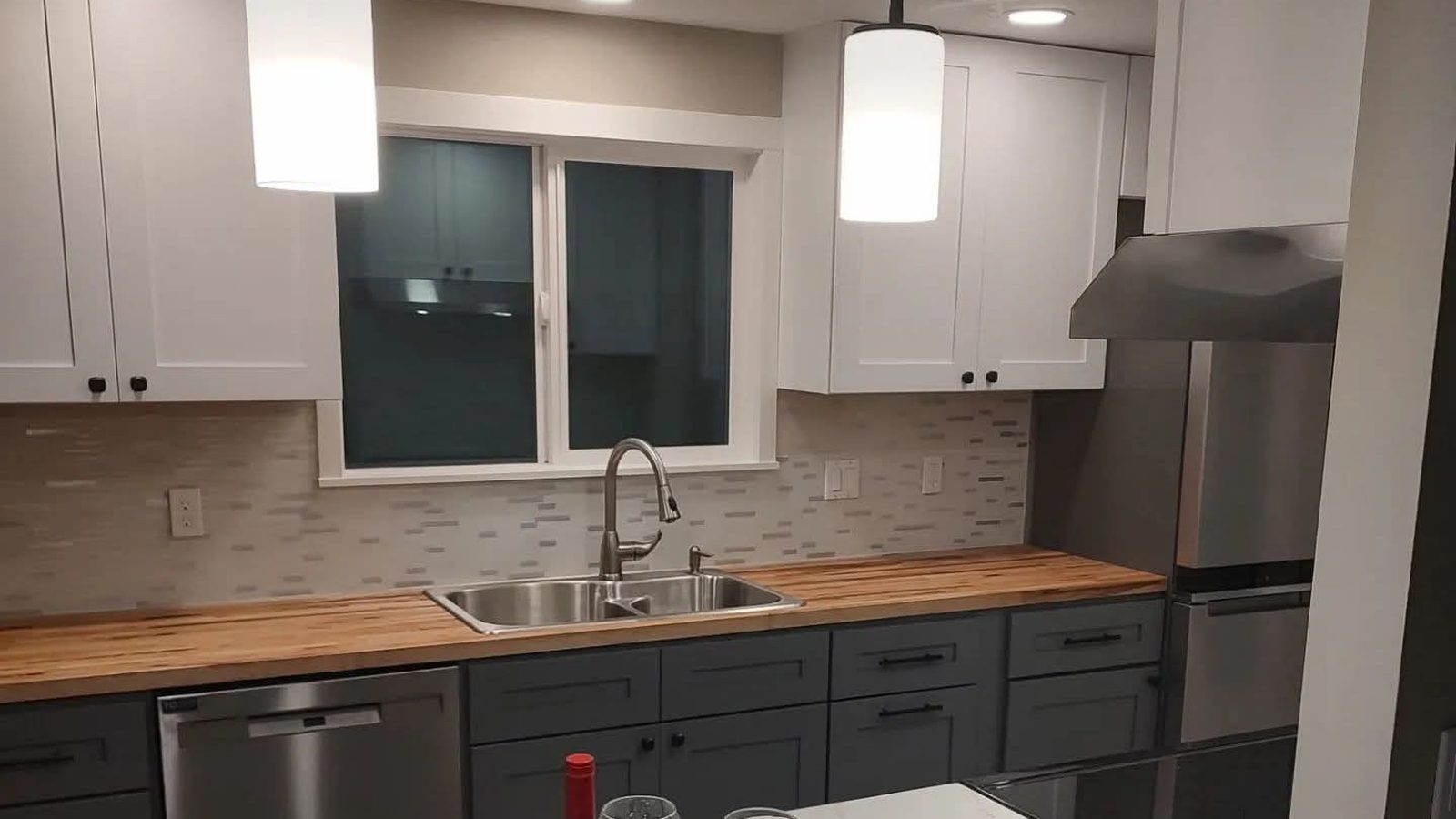
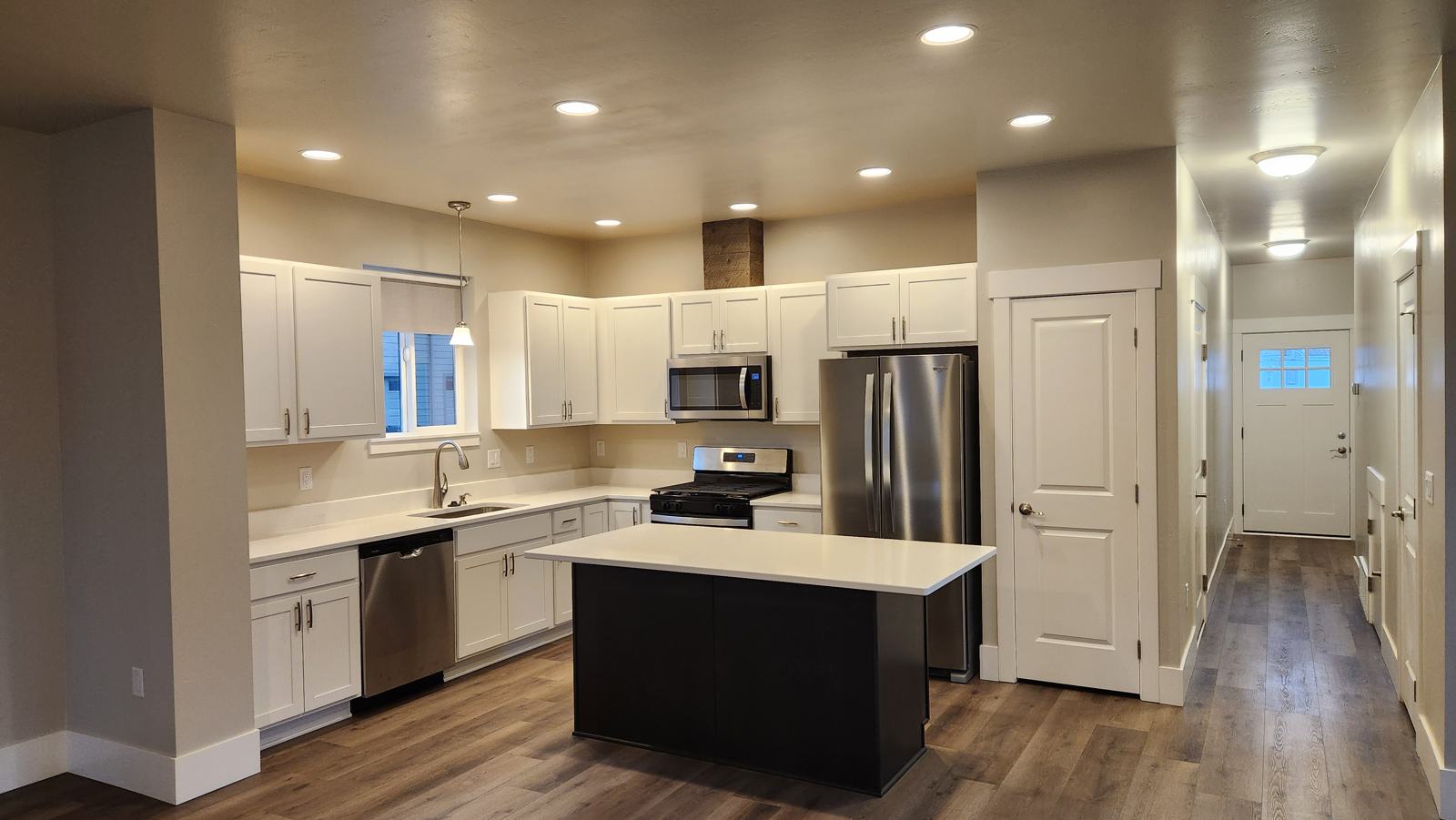
- Shaker. A five-piece door with a flat recessed center panel and a simple square frame. It suits both traditional and modern kitchens, which is one reason it is so common.
- Slab (flat panel). A single flat door with no frame. Clean and modern, and easy to wipe down. Wood-grain slab doors show the material itself; painted slab doors read very minimal.
- Raised panel. The center panel is shaped and raised. A more traditional look with more detail to clean around.
- Other profiles. Beadboard, glass-front and open shelving are often used in a few spots rather than across the whole kitchen.
How the doors sit on the boxes
- Full overlay. Doors cover nearly the whole cabinet face, with small gaps between them. A clean, continuous look.
- Partial overlay. Doors cover part of the face frame, so more of the frame shows between doors.
- Inset. Doors sit inside the face frame, flush with it. A furniture-like look that needs precise fitting, so it typically takes more time to build and install.
Finishes
Painted. A smooth, solid color. Painted cabinets can show chips on edges that get bumped often. On five-piece wood doors, a fine line can appear at the joints where the center panel meets the frame. That comes from wood naturally moving with seasonal humidity and is not usually a defect, but it is worth knowing about if you want a perfectly smooth look.
Stained. The wood grain shows through. Stain tends to hide small dings and wear better than paint, and different wood species give very different looks.
Factory-applied surfaces such as thermofoil or laminate. A uniform, easy-to-clean surface. Some products can be sensitive to heat, so ask about placement near ovens and other heat sources.
Whatever finish you choose, ask how it is applied and how touch-ups are handled later.
Color
- Look at a full door sample in your kitchen, in daylight and at night, next to your flooring and countertop samples.
- Two-tone kitchens, such as light perimeter cabinets with a darker or colored island, are a way to add contrast without committing the whole room to one bold color.
- Whites and neutrals are flexible. Colors like greens and blues can add character. Choose what you will be comfortable living with.
Details that make a difference
- Hardware. Knobs, pulls or a mix. Try them in your hand before ordering, and check the spacing on drawers.
- Soft-close hinges and drawer glides. Ask whether they are included.
- Cabinet boxes. Ask what the boxes are made of, especially under the sink, where leaks happen.
- Lead times. Semi-custom and custom cabinets can take time to build. Make selections early so they do not hold up the schedule.
During an insurance rebuild
If cabinets are damaged in a covered loss, insurance generally covers restoring them to their pre-loss condition, based on the approved scope. If only some of the cabinets are damaged, matching the existing ones can be difficult, and how that is handled depends on your policy and adjuster. Many homeowners choose to upgrade cabinets during a rebuild and pay the difference.
If you are planning a kitchen remodel or working through a claim, call or send a few details about your project.